India has become one of the fastest growing startup hubs in the world. With a large pool of talented entrepreneurs, easy access to technology, and increasing investor interest, the Indian startup ecosystem has experienced remarkable growth in recent years. From e-commerce to fintech and healthtech to edtech, Indian startups have disrupted traditional industries, created jobs, and contributed significantly to the nation’s economy. If you are interested in exploring the entrepreneurial landscape of India, this detailed guide on the top 10 successful Indian startups you should know will give you a clear picture of the companies making waves.
The Rise of Indian Startups
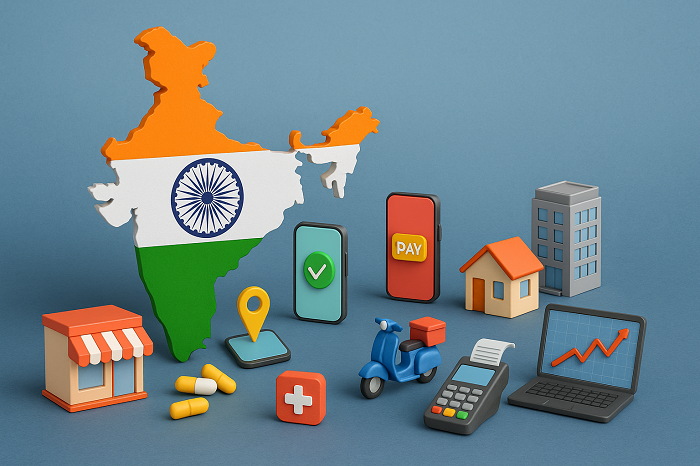
The last decade has witnessed a dramatic transformation in the Indian business ecosystem. Favorable government initiatives like Startup India, growing internet penetration, and a thriving youth population have fueled innovation across sectors. Today, India is home to more than 100 unicorns, making it the third-largest startup ecosystem globally after the US and China. What makes Indian startups unique is their ability to address local challenges with scalable global solutions.
Top 10 Successful Indian Startups You Should Know
1. Flipkart
Founded in 2007 by Sachin Bansal and Binny Bansal, Flipkart revolutionized the way Indians shop online. Starting as an online bookstore, it grew into a multi-category e-commerce giant that offers everything from fashion to electronics. In 2018, Walmart acquired a majority stake in Flipkart, making it one of the biggest deals in the Indian startup ecosystem. Flipkart remains a leader in India’s e-commerce sector, competing strongly with Amazon and other platforms.
2. Zomato
What started as a simple food discovery platform in 2008 has now become a global food delivery and restaurant aggregator service. Founded by Deepinder Goyal and Pankaj Chaddah, Zomato expanded across cities in India and international markets. The company went public in 2021 and has since become a household name for convenient online food ordering. Zomato’s success lies in its ability to combine technology with customer-centric services.
3. Paytm
Paytm, launched in 2010 by Vijay Shekhar Sharma, began as a mobile recharge platform and later transformed into a comprehensive fintech company. Today, Paytm provides services such as mobile payments, digital wallets, insurance, and stockbroking. With the rise of UPI in India, Paytm remains a key player in driving digital financial inclusion. Its 2021 IPO, one of India’s largest, further cemented its position in the fintech industry.
4. Ola
Founded in 2010 by Bhavish Aggarwal and Ankit Bhati, Ola is a leading ride-hailing platform in India. Ola disrupted traditional taxi services by offering affordable, reliable, and tech-enabled rides to millions of people. The company also expanded into electric mobility with Ola Electric, aiming to transform India’s EV ecosystem. Ola’s growth reflects India’s demand for convenient and innovative urban transportation solutions.
5. BYJU’S
Edtech has gained tremendous traction in India, and BYJU’S stands at the forefront. Founded in 2011 by Byju Raveendran, the company started as a learning app for school students and expanded into a global edtech giant. With interactive video lessons, personalized learning journeys, and acquisitions like WhiteHat Jr and Aakash Educational Services, BYJU’S has redefined modern education. It is one of the world’s most valuable edtech startups.
6. Swiggy
Swiggy, launched in 2014 by Sriharsha Majety, Nandan Reddy, and Rahul Jaimini, emerged as a strong competitor to Zomato in the food delivery space. Known for its fast deliveries, wide restaurant network, and customer-first approach, Swiggy also expanded into grocery and instant delivery through Instamart. Swiggy has become a trusted brand for millions who rely on quick, reliable delivery services.
7. Nykaa
Falguni Nayar founded Nykaa in 2012, and it has since become India’s most trusted beauty and lifestyle marketplace. Nykaa brought international and local beauty brands to Indian consumers, offering both online and offline experiences. The company made headlines in 2021 with a highly successful IPO, making Nayar one of the richest self-made women entrepreneurs in India. Nykaa’s journey reflects the growing power of women-led startups in India.
8. PhonePe
PhonePe, launched in 2015 by Sameer Nigam, Rahul Chari, and Burzin Engineer, has been a major driver of India’s digital payment revolution. It was among the first apps to leverage UPI and quickly became a leading digital wallet and payments platform. From bill payments to investments and insurance, PhonePe has created an all-in-one financial ecosystem trusted by millions.
9. Razorpay
Razorpay, founded in 2014 by Harshil Mathur and Shashank Kumar, simplified payment processing for businesses of all sizes. Today, it offers an end-to-end digital financial infrastructure including payment gateways, payroll management, and credit services. Razorpay has enabled startups, SMEs, and enterprises to streamline transactions seamlessly. Its success highlights the importance of fintech innovation in fueling business growth.
10. Dream11
India’s passion for sports and fantasy gaming found its leader in Dream11. Founded in 2008 by Harsh Jain and Bhavit Sheth, Dream11 allows users to create fantasy teams in cricket, football, and other sports to win prizes. It became India’s first gaming unicorn and has grown massively with the rise of IPL and other sporting events. Dream11 represents the booming sports-tech and gaming industry in India.
What Makes These Startups Successful
These startups succeeded because they identified local problems, embraced technology, and scaled rapidly. Strong investor backing, visionary leadership, and adaptability also played crucial roles. Whether it was Paytm promoting digital payments, Ola making commuting hassle-free, or Nykaa empowering consumers with diverse choices, each company redefined its respective industry.
Conclusion
The success stories of these Indian startups show how innovation, persistence, and customer focus can create lasting impact. They not only generate employment but also inspire the next generation of entrepreneurs to take bold steps. As India continues its journey as a global innovation hub, these startups remain benchmarks of success and resilience. If you are an aspiring entrepreneur, studying these companies can give you invaluable insights into building a business that lasts.
Frequently Asked Questions
Q1. Which is the most successful startup in India?
Answer. Flipkart, Paytm, and BYJU’S are often considered among the most successful Indian startups due to their scale, impact, and valuation.
Q2. How many unicorns are there in India?
Answer. India currently has more than 100 unicorns, making it the third-largest startup ecosystem in the world.
Q3. What sectors are Indian startups focusing on?
Answer. The most popular sectors include fintech, edtech, e-commerce, healthtech, and mobility.
Q4. Who is the richest startup founder in India?
Answer. Falguni Nayar of Nykaa is among the richest self-made women entrepreneurs, while founders like Vijay Shekhar Sharma of Paytm and Byju Raveendran have also achieved massive success.
Q5. How can I start my own business in India?
Answer. Starting a business in India requires a clear idea, market research, registration, funding, and a strong execution strategy. Government initiatives like Startup India also provide support to entrepreneurs.