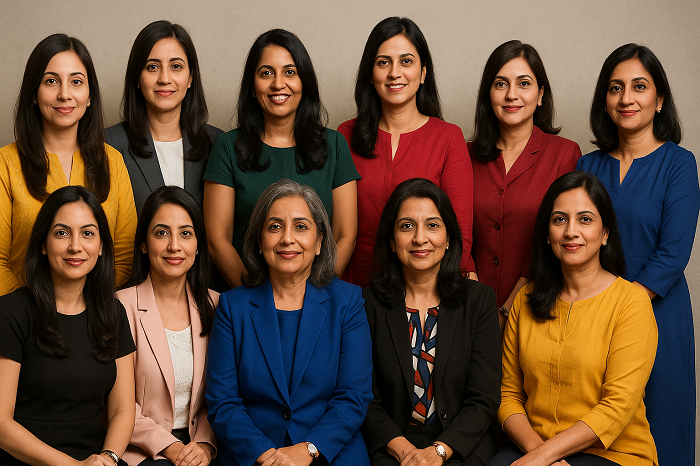
India has always been a land of innovation, determination, and resilience, and in recent years women entrepreneurs have emerged as powerful changemakers shaping the country’s business ecosystem. These visionary leaders are not only building successful enterprises but also breaking barriers, inspiring others, and contributing significantly to economic growth. The rise of women entrepreneurs in India is a testament to the nation’s evolving business landscape where inclusivity and diversity are becoming the foundation of progress. In this article we will explore the top 10 women entrepreneurs making a difference in India, highlighting their journeys, achievements, and the impact they continue to create.
The Changing Face of Entrepreneurship in India
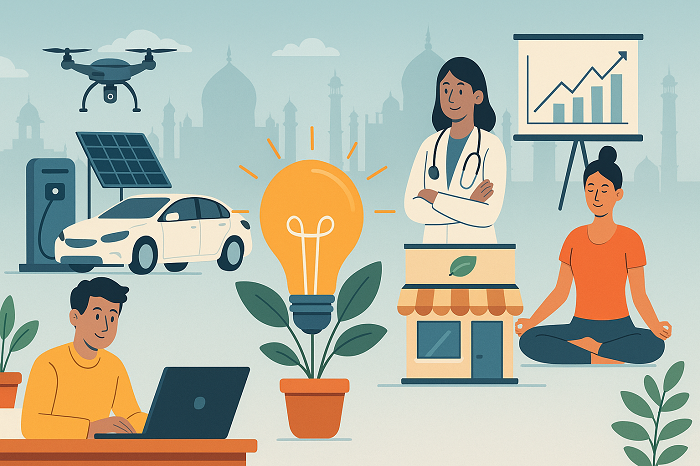
Entrepreneurship in India is no longer limited to a select group of people or industries. With government initiatives, improved access to funding, and the rise of digital platforms, women are seizing opportunities like never before. From technology and fashion to finance and social enterprises, women entrepreneurs are leaving a mark across multiple sectors. What sets them apart is not only their ability to build profitable businesses but also their commitment to social impact, sustainability, and inclusivity.
1. Falguni Nayar – Founder of Nykaa
Falguni Nayar is one of the most celebrated women entrepreneurs in India. A former investment banker with Kotak Mahindra, she took the bold step of launching Nykaa in 2012. Today Nykaa is one of India’s leading beauty and lifestyle e-commerce platforms that went on to become a listed company. Falguni’s vision was to bridge the gap in the beauty retail industry while empowering women with access to global and domestic brands. Her journey shows how determination combined with expertise can create an empire that inspires millions.
2. Kiran Mazumdar Shaw – Chairperson of Biocon
Kiran Mazumdar Shaw is often referred to as India’s biotech queen. She founded Biocon in 1978 with a vision to transform healthcare and make affordable medicines accessible globally. Starting with limited resources, Kiran built Biocon into one of Asia’s leading biopharmaceutical companies. Her work has not only revolutionized biotechnology in India but also placed the country on the global innovation map. She remains a role model for aspiring entrepreneurs in healthcare and beyond.
3. Richa Kar – Co-founder of Zivame
Richa Kar identified a gap in the intimate wear segment in India and co-founded Zivame in 2011. With her bold move to normalize conversations around lingerie shopping in a conservative market, she redefined e-commerce for women in India. Under her leadership, Zivame grew into a trusted platform that gave women the freedom of choice, comfort, and privacy. Her entrepreneurial journey demonstrates courage, innovation, and the power of understanding customer needs.
4. Vineeta Singh – Co-founder of Sugar Cosmetics
Vineeta Singh is a well-known name in India’s startup ecosystem. She co-founded Sugar Cosmetics, a brand that rapidly gained popularity for its affordable, high-quality, and trendy makeup products designed for Indian skin tones. Vineeta’s business acumen, combined with her ability to connect with young audiences, has turned Sugar into a household name. She has also become an influential figure through her presence on the business reality show Shark Tank India, where she inspires aspiring entrepreneurs with her insights.
5. Ghazal Alagh – Co-founder of Mamaearth
Ghazal Alagh is the co-founder of Mamaearth, a natural skincare and wellness brand that disrupted the personal care industry in India. Her vision was to create safe, toxin-free, and eco-friendly products for families. Mamaearth quickly became a trusted brand, supported by millennial parents and eco-conscious customers. Ghazal’s journey reflects how women entrepreneurs are blending sustainability with profitability to create brands that resonate deeply with consumers.
6. Upasana Taku – Co-founder of MobiKwik
Upasana Taku co-founded MobiKwik, one of India’s leading digital wallet and fintech platforms. With a background in engineering and payments, she worked to simplify mobile payments and financial inclusion in India. Her leadership has been instrumental in scaling MobiKwik to serve millions of users and merchants across the country. She is an example of how women entrepreneurs are playing key roles in shaping India’s digital economy.
7. Suchi Mukherjee – Founder of Limeroad
Suchi Mukherjee founded Limeroad, an innovative online fashion marketplace that focused on affordable and stylish clothing. With her global experience and deep understanding of consumer behavior, she transformed Limeroad into a platform loved by budget-conscious fashion enthusiasts. Suchi’s entrepreneurial journey highlights how vision and creativity can redefine the way Indians shop for fashion online.
8. Meena Bindra – Founder of Biba Apparels
Meena Bindra started Biba Apparels from her home with a small loan and a big dream. Today Biba is one of India’s most successful ethnic wear brands. Her journey from a homemaker to a business leader proves that age or background is no barrier to entrepreneurship. Meena has inspired generations of women by showing that passion and persistence can turn small beginnings into iconic brands.
9. Radhika Ghai – Co-founder of ShopClues
Radhika Ghai co-founded ShopClues, an e-commerce platform that grew rapidly in the competitive Indian online retail space. She became the first Indian woman to enter the unicorn club with her venture. Radhika’s success story is proof of resilience, innovation, and the ability to compete with global giants in the Indian market. She continues to inspire women entrepreneurs who aspire to build large-scale businesses.
10. Shradha Sharma – Founder of YourStory
Shradha Sharma is the founder of YourStory, India’s leading media platform dedicated to startups, entrepreneurs, and changemakers. By creating a space that tells the stories of entrepreneurs across India, she has empowered countless individuals with knowledge, exposure, and inspiration. Her work has not only built a strong business but also a community that drives the spirit of entrepreneurship forward.
Conclusion
The success stories of these women entrepreneurs reflect more than just business growth; they represent courage, resilience, and the power to transform society. From creating global biotech solutions to redefining beauty and fashion or building fintech platforms, these leaders are shaping the future of India’s business ecosystem. Their journeys inspire aspiring entrepreneurs to dream big, act boldly, and contribute meaningfully.
For readers who want to explore more about business trends in India, startup opportunities, and entrepreneurial journeys, our blog offers in-depth guides and success stories to fuel your ambitions. Whether you are looking for low-investment business ideas or the latest AI tools transforming businesses, you will find valuable resources to help you stay ahead.
Frequently Asked Questions on Women Entrepreneurs in India
Q1. Who is the most successful woman entrepreneur in India?
Answer. Kiran Mazumdar Shaw is considered one of the most successful women entrepreneurs in India for her pioneering work in biotechnology through Biocon.
Q2. Which industries have the highest number of women entrepreneurs in India?
Answer. Women entrepreneurs in India are most active in sectors like e-commerce, fashion, beauty, healthcare, fintech, and media.
Q3. How is the government supporting women entrepreneurs in India?
Answer. Through schemes like Stand Up India, Startup India, and Women Entrepreneurship Platforms, the government provides funding, training, and mentorship opportunities.
Q4. What challenges do women entrepreneurs face in India?
Answer. Common challenges include access to funding, balancing societal expectations, networking barriers, and limited mentorship opportunities.
Q5. Why are women entrepreneurs important for India’s growth?
Answer. Women entrepreneurs contribute significantly to job creation, innovation, and economic development while also driving social change and inclusivity.