
The world of education and work is evolving faster than ever before. Technology, globalization, and innovation are reshaping industries and creating new opportunities every day. For students, this means preparing not just for the jobs that exist today but also for careers that may not even be invented yet. In such a dynamic environment, academic knowledge alone is not enough. What truly matters is developing a well-rounded set of skills that combine adaptability, creativity, and critical thinking with technical expertise. Understanding the top 10 skills students need for the future will help them thrive in higher education, succeed in the workforce, and make meaningful contributions to society.
1. Critical Thinking and Problem Solving
The future belongs to individuals who can think independently, analyze situations, and come up with effective solutions. Employers value students who can evaluate problems from multiple perspectives and propose innovative strategies. Whether it is making decisions in a business environment, solving real-world challenges, or addressing societal issues, critical thinking remains one of the most sought-after skills. Students who develop this ability are better equipped to handle uncertainty and change with confidence.
2. Creativity and Innovation
In a world driven by automation and artificial intelligence, creativity is what sets humans apart. Students who can think outside the box, experiment with new ideas, and transform imagination into practical solutions will always have an edge. Innovation does not only mean inventing new products, it also involves improving processes, designing better systems, and coming up with fresh approaches to old problems. Encouraging curiosity and creative expression ensures students can adapt to industries where originality is key.
3. Digital Literacy and Technology Skills
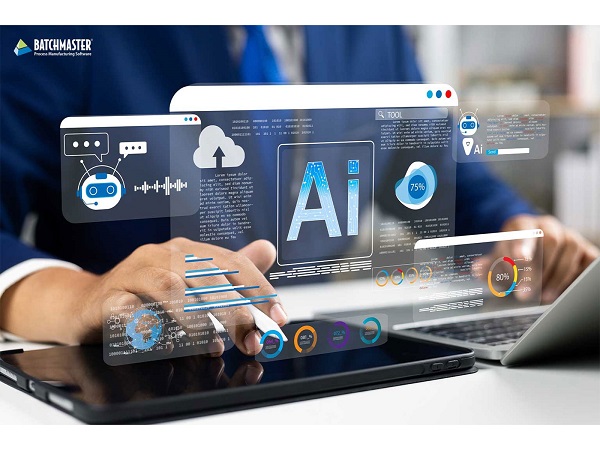
The future of work is digital, making it essential for students to master technology. Beyond knowing how to use computers, digital literacy involves understanding coding, data analysis, cybersecurity, and emerging technologies such as artificial intelligence, blockchain, and virtual reality. Students who are comfortable with digital tools will find themselves more competitive in the job market. Moreover, technology skills also enable better collaboration, communication, and productivity in both academic and professional environments.
4. Emotional Intelligence and Empathy
As workplaces become more diverse and interconnected, emotional intelligence has become just as important as technical expertise. Students must learn to manage their own emotions, communicate effectively, and build strong relationships with others. Empathy, in particular, is a powerful skill for understanding different perspectives and working with people from varied backgrounds. Future leaders and team members who display emotional intelligence will create healthier work cultures and more successful organizations.
5. Adaptability and Resilience
Change is the only constant in today’s world. Students who can embrace change, learn from failure, and bounce back stronger will always have an advantage. Resilience is not about avoiding challenges but about facing them with determination and flexibility. Whether it is adapting to new technologies, shifting job roles, or global events such as economic shifts, students who remain adaptable will thrive in uncertain times.
6. Collaboration and Teamwork
No matter how talented an individual is, success often depends on the ability to work well with others. Teamwork involves listening, contributing, resolving conflicts, and respecting diverse viewpoints. Collaboration skills are essential in workplaces where projects are increasingly cross-disciplinary and global. For students, learning how to collaborate effectively not only improves academic performance but also prepares them for professional environments where collective effort leads to innovation and progress.
7. Communication Skills
The ability to communicate clearly and persuasively remains a cornerstone of success. Students must be able to express ideas effectively in writing, speaking, and digital formats. Strong communication skills help in everything from classroom presentations to job interviews and professional networking. Moreover, in a digital world where virtual communication is common, students need to master skills such as online etiquette, video conferencing, and content creation.
8. Leadership and Initiative
The future demands leaders who can inspire others, take responsibility, and drive positive change. Leadership is not just about managing people, it also means taking initiative, setting goals, and motivating teams. Even students who may not pursue traditional leadership roles benefit from learning how to take ownership of their actions and contribute meaningfully to group success. By developing leadership skills, students position themselves as proactive contributors rather than passive participants.
9. Global and Cultural Awareness
The world is more connected than ever, with international collaboration driving growth across industries. Students who understand global issues, respect cultural diversity, and demonstrate cross-cultural competence will excel in international workplaces. Cultural awareness goes beyond tolerance, it requires genuine curiosity, sensitivity, and adaptability when working with people from different backgrounds. Students who embrace global perspectives gain the ability to navigate challenges in a multicultural environment.
10. Lifelong Learning and Curiosity
The pace of change means learning never stops after graduation. Students must cultivate a mindset of continuous growth, staying curious and eager to acquire new knowledge throughout their lives. Lifelong learners adapt more easily to technological advancements, industry shifts, and personal challenges. By making curiosity a habit, students ensure that they remain relevant and capable no matter how the world changes.
Conclusion
The top 10 skills students need for the future go far beyond textbooks and exams. From critical thinking and creativity to resilience, communication, and global awareness, these skills form the foundation of personal and professional success. Students who focus on building these abilities will not only excel academically but also stand out in the workforce and contribute meaningfully to society. Education today must be about more than memorizing facts, it should empower students to thrive in a world that is constantly evolving.
To prepare for the future, students should actively seek opportunities to develop these skills through projects, internships, extracurricular activities, and personal growth initiatives. Schools, parents, and mentors also play a vital role in encouraging these qualities. By embracing this holistic approach, students can ensure that they are not just prepared for tomorrow, but ready to shape it.
Frequently Asked Questions
Q1. Why are future-ready skills important for students?
Answer. Future-ready skills help students adapt to a rapidly changing world where technology and innovation are transforming industries. These skills ensure long-term success and employability.
Q2. How can students improve their creativity?
Answer. Students can enhance creativity by exploring new hobbies, engaging in problem-solving challenges, practicing brainstorming, and allowing themselves the freedom to experiment with ideas.
Q3. What is the role of emotional intelligence in the future workplace?
Answer. Emotional intelligence helps students manage relationships, collaborate effectively, and create positive work environments, which are essential in diverse, global workplaces.
Q4. Are digital skills necessary for all careers?
Answer. Yes, digital skills are becoming essential across all industries, from healthcare and education to business and the arts, as technology is integrated into every field.
Q5. How can students develop resilience?
Answer. Students can build resilience by viewing failures as learning opportunities, setting realistic goals, practicing stress management techniques, and staying open to change.