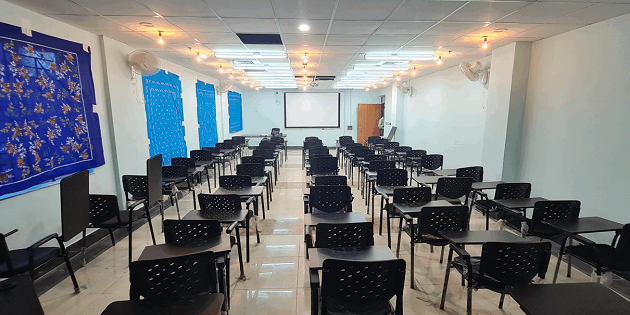

Studying is a skill, and like any other skill, it can be improved with the right techniques and strategies. Every student, whether in school, college, or preparing for competitive exams, has faced the challenge of staying focused, retaining information, and managing time effectively. While intelligence plays a role in academic success, smart study habits often make the real difference. With proper guidance, students can make learning more efficient, reduce stress, and achieve better results. In this article, we will explore the top 10 study tips every student should know, backed by proven strategies that enhance productivity, focus, and retention.
Tip 1: Create a Study Schedule
One of the most effective ways to stay organized is by creating a realistic study schedule. Having a timetable helps students allocate time to each subject based on its importance and difficulty level. Instead of randomly picking topics, a structured plan ensures balance and prevents last-minute cramming. For example, setting aside fixed hours for reading, revising, and practicing problems allows consistency, which is far more effective than irregular, long study sessions.
Tip 2: Choose the Right Study Environment
The environment where you study greatly affects concentration. A clutter-free, quiet, and well-lit space minimizes distractions and improves focus. Some students prefer complete silence, while others find soft background music helpful. The key is to find what works best for you and stick with it. Avoid multitasking with phones or social media during study time, as even a few minutes of distraction can reduce efficiency and break the flow of learning.
Tip 3: Use Active Learning Techniques
Instead of passively reading or highlighting, engage in active learning methods. Techniques like summarizing a concept in your own words, teaching someone else, or using flashcards are highly effective for better retention. Active recall and spaced repetition are scientifically proven to enhance memory. For instance, revisiting a topic after 24 hours, a week, and then a month ensures long-term retention compared to reviewing it only once.
Tip 4: Break Study Sessions into Intervals
The human brain is not designed to concentrate for hours without rest. Studying in intervals, such as the Pomodoro technique where you study for 25 minutes and take a 5-minute break, can improve focus. Short breaks help the brain relax, process information, and return refreshed for the next session. Using these intervals not only prevents burnout but also keeps motivation levels high throughout the day.
Tip 5: Stay Organized with Notes
Well-structured notes act as valuable tools for revision. Instead of copying text word for word, students should write concise points, diagrams, or flowcharts that summarize key concepts. Organizing notes by topics and subtopics makes it easier to revise before exams. Digital tools like OneNote, Notion, or Google Keep can also be useful for creating and managing notes in a systematic way.
Tip 6: Practice with Previous Papers and Mock Tests
Preparation is incomplete without practicing real exam-style questions. Solving previous years’ question papers and taking mock tests not only familiarizes students with the exam pattern but also helps in identifying weak areas. Time management is another advantage, as students learn how to allocate time to each section effectively. Regular practice under exam-like conditions reduces anxiety and boosts confidence.
Tip 7: Prioritize Health and Sleep
Many students compromise on sleep and health during exam preparation, thinking it will give them extra study time. However, sleep deprivation and poor diet negatively affect memory, focus, and overall productivity. Getting 7 to 8 hours of quality sleep, eating a balanced diet, and staying hydrated are crucial for maintaining energy and concentration levels. Exercise or even a short walk can refresh the mind and improve mood, making studying more effective.
Tip 8: Set Realistic Goals
Setting achievable study goals gives direction and motivation. Instead of vague goals like “I will study math today,” break them down into measurable targets such as “I will solve 20 algebra problems” or “I will revise one chapter of chemistry.” Achieving small milestones boosts confidence and keeps students motivated to continue.
Tip 9: Revise Regularly
Revision is the bridge between learning and remembering. Without regular revision, knowledge fades quickly. Allocating time every week for reviewing previously studied topics ensures that information remains fresh. Instead of re-reading the entire chapter, focus on summaries, important points, and practice problems. Consistent revision eliminates last-minute panic before exams and strengthens long-term understanding.
Tip 10: Stay Positive and Motivated
Studying is not just about books and exams, it also requires the right mindset. A positive attitude helps students overcome challenges and stay motivated. Techniques like visualizing success, rewarding yourself after completing tasks, and practicing mindfulness can improve focus and reduce stress. Surrounding yourself with supportive peers or study groups can also provide encouragement and make learning more engaging.
Conclusion
Academic success is not about studying harder but studying smarter. By following these top 10 study tips, students can make learning more effective, enjoyable, and less stressful. From creating structured schedules to practicing mock tests and prioritizing health, these strategies ensure well-rounded preparation. Remember, every student has a unique learning style, so experimenting with different methods until you find what suits you best is essential. The key is consistency, discipline, and maintaining a balance between study and self-care.
For students looking to improve their academic journey, applying these study techniques is a great first step. Start small, stay consistent, and success will follow.
Frequently Asked Questions
Q1. How many hours should a student study daily for the best results
Answer. There is no fixed number of hours, as it depends on individual learning speed and goals. However, 3 to 5 focused hours of study with proper breaks is generally effective.
Q2. What is the most effective study method for memory retention
Answer. Active recall combined with spaced repetition is considered the best technique for long-term memory retention. Teaching others is also highly effective.
Q3. Is group study better than self-study
Answer. Both have advantages. Group study promotes discussion and deeper understanding, while self-study helps maintain focus and independence. A mix of both can be ideal.
Q4. How can students avoid distractions while studying
Answer. Switching off mobile notifications, studying in a quiet environment, and setting clear study goals can help minimize distractions.
Q5. When is the best time to study, morning or night
Answer. It varies by individual preference. Some students perform best in the morning when the mind is fresh, while others are more productive at night. The key is consistency.